
Why Baby Carriers Have Weight Limits — And What They Actually Mean
When parents notice the weight guidelines on their baby carrier — 15kg, 20kg, 25kg — it is easy to assume the number represents the size of the child the carrier is “meant for.” But weight limits are not about when a baby becomes too big to carry safely. They exist because every carrier is made from specific materials, construction methods and joining points that must tolerate a certain amount of force, not just weight.
In other words:
Weight limits reflect the engineering of the carrier, not the growth of the baby.
Let’s explore what this means, one carrier type at a time.
Woven Wraps: Some of the Strongest Textiles You’ll Ever Meet
A woven wrap is a single, continuous piece of fabric — but it is nothing like clothing fabric or upholstery material. Babywearing textiles are woven with:
high-quality fibres
controlled diagonal “give”
dense, stable weaves
exceptional tensile strength
Because the load is spread across metres of fabric with no buckles or mechanical joins, a well-made woven wrap can hold far more weight than a parent would ever realistically carry.
Many educators like to joke that you could carry a teenager — or even an adult — in a woven wrap if you really wanted to. The limiting factor is not the wrap. It’s your back, your hips, and your willingness!
Why the weight limit exists: Manufacturers must choose a number, but the real-world strength far exceeds it.

Ring Slings: Strength in Simplicity
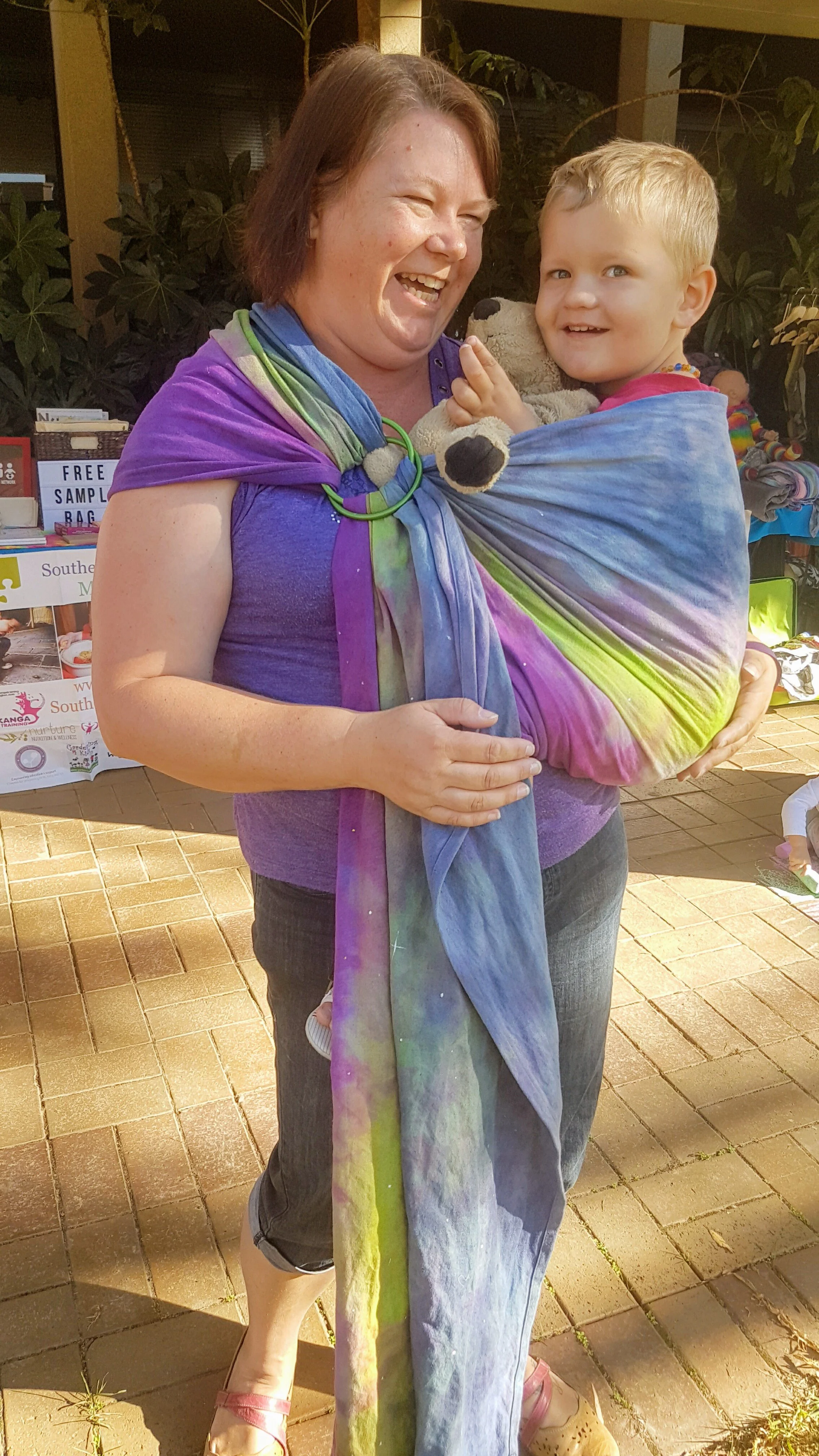
Ring slings are also a single piece of fabric, but with one important structural addition: the rings.
A few key facts about safe, high-quality sling rings:
They are solid, single-piece aluminium or aluminium alloy
They are not welded — welding creates a weak point
They are tested to withstand massive loads
Brands like SlingRings provide independent lab testing
Some SlingRings testing has shown aluminium rings tolerating forces equivalent to hundreds of kilograms. The weakest point of a ring sling is usually not the rings at all, but the stitching that holds them in place.
Even then, most ring slings are rated to 25kg or more, not because the materials can’t hold more, but because that is well above the usual carrying age.
Why the weight limit exists: To protect the integrity of the sewn join where the rings attach.
Stretchy Wraps: Safe, But Functionally Limited
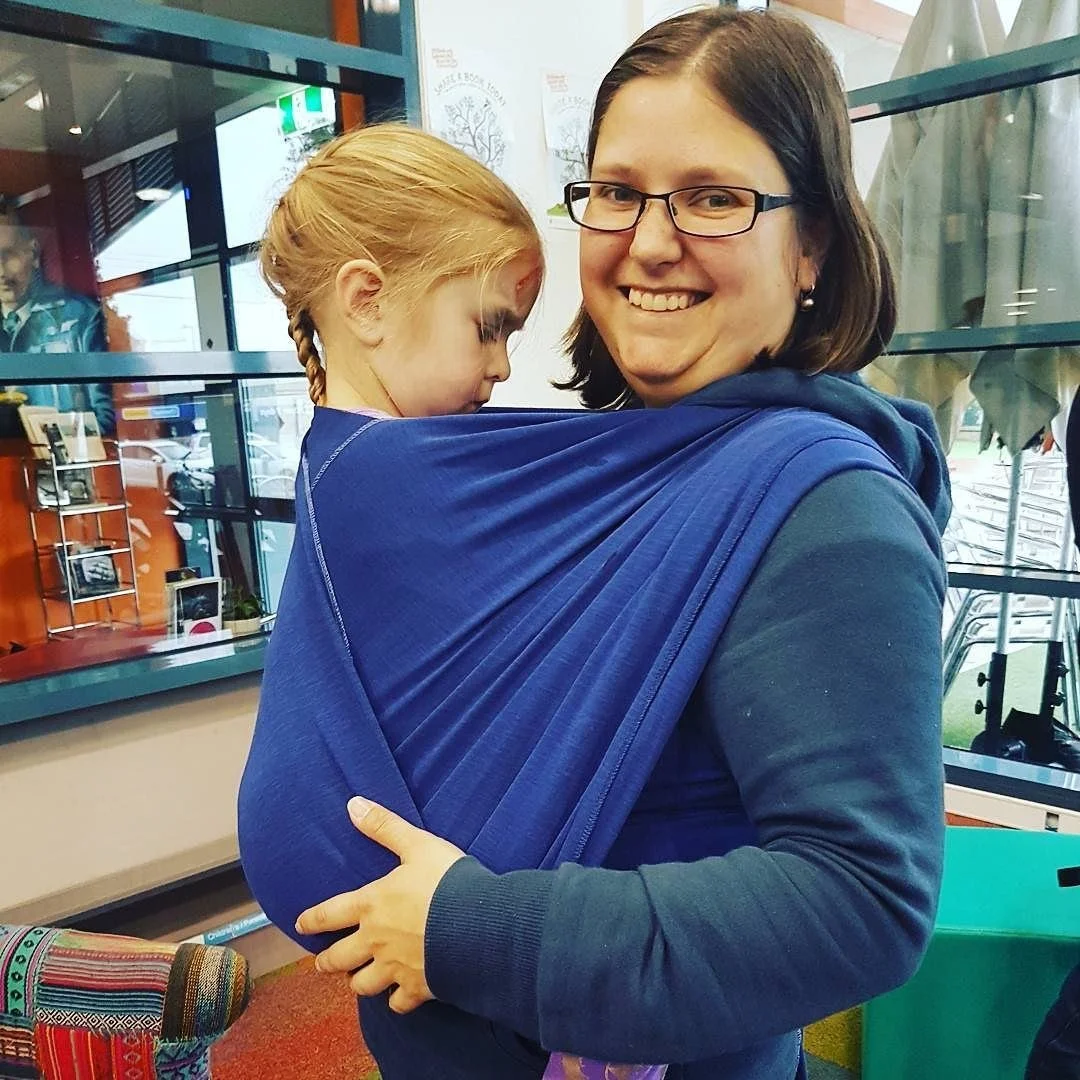
Stretchy wraps are also one long piece of fabric — usually a cotton or bamboo blend with elastane. Their construction is strong, and the “three layers over baby” carries weight safely.
The lower weight limit (usually around 15kg) is not about safety. It’s about function:
heavier babies stretch the fabric
the wrap can sag with movement
positioning becomes less secure
the wearer becomes uncomfortable
A stretchy wrap won’t snap with a 12–15kg toddler. But the fit becomes sloppy, making woven wraps or structured carriers better options as babies grow and become more active.
Why the weight limit exists: To reflect the point where usability declines, not where safety ends.
Meh Dais: Traditional, Simple, and Impressively Strong
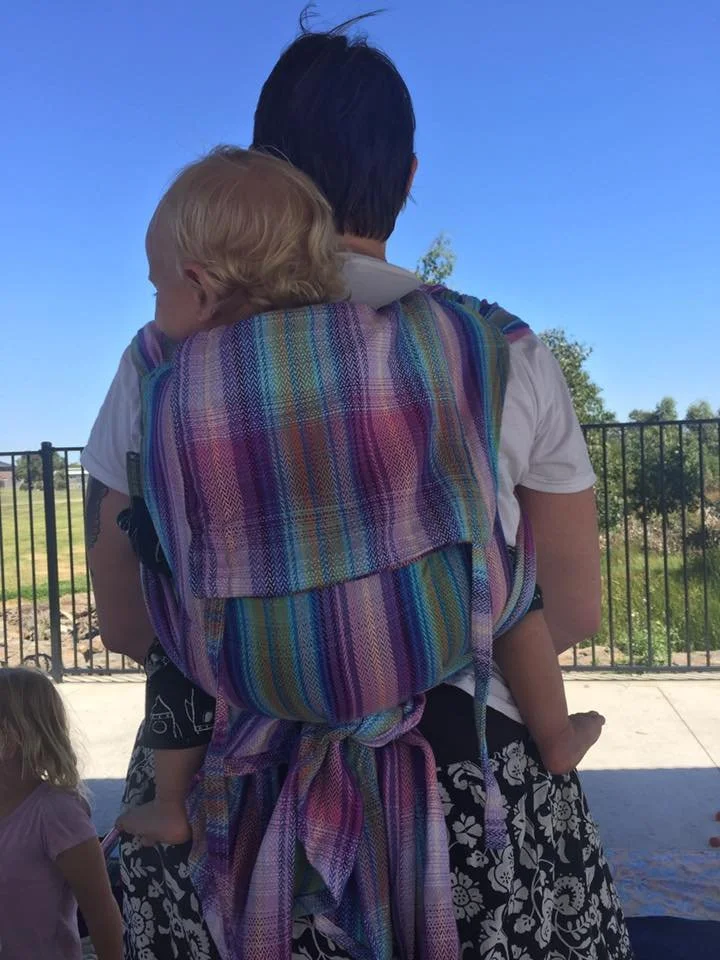
A meh dai has a central panel with four long straps sewn securely at each corner. The stress points are the seams where the straps join the body panel.
These joins are incredibly strong when constructed with proper materials and reinforcement. The original NNAA Meh Tai was stress-tested by RMIT and withstood forces up to 150kg before failure — an astonishing figure that far exceeds any normal use.
This means a well-made meh dai comfortably supports preschool-aged children, even if most families stop long before that.
Why the weight limit exists: To ensure the stitching and panel design are used within a conservative, safe range.
Soft-Structured Carriers (SSCs): Modern Carriers, Modern Testing
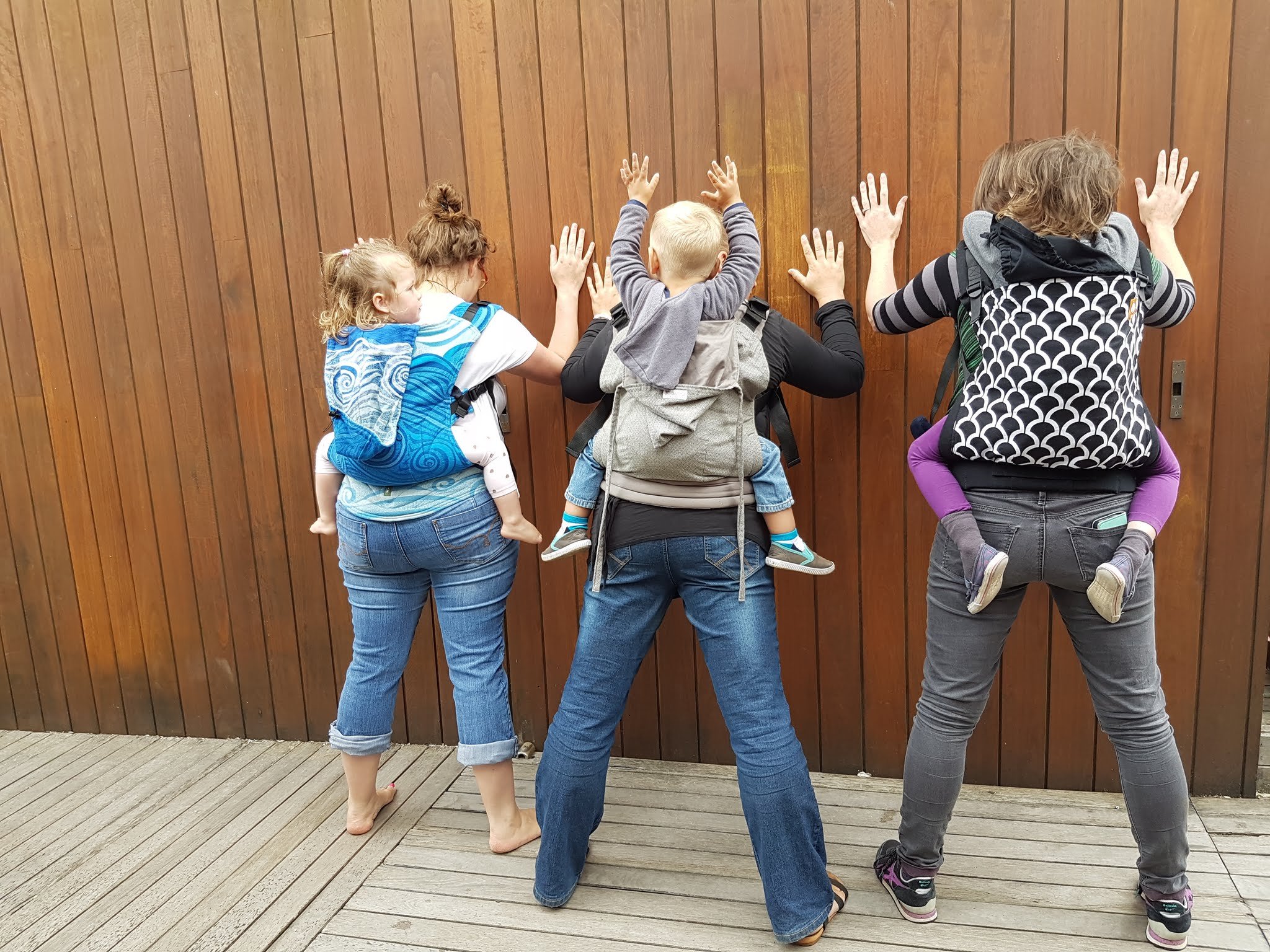
SSCs take the meh dai structure and add:
buckles
webbing
foam
reinforcement
multiple seams
partly structured panels
Every join must tolerate repeated movement, pulling, bouncing, leaning, and the shifting centre of gravity as children grow. Because there are more components, there are more points that must be tested.
The standards landscape
Australia has no mandatory baby carrier standard.
The EU standard (EN 13209) is the only fully enforced safety standard.
Some brands voluntarily meet ASTM or ISO testing, but this is not required.
For reputable brands, testing is rigorous, expensive, and ongoing.
Why the weight limit exists: To ensure the smallest component — often a buckle, length of webbing, or seam — will safely exceed the maximum expected load during real-world use.
The Growing Problem of Counterfeits
Copycat carriers look like reputable brands but are made with:
cheaper fabrics
inferior buckles
weak stitching
low-quality webbing
dyes and fibres that aren’t safe for babies
Because they aren’t properly tested, their failure points are unpredictable. Educators and retailers worldwide are reporting increasing safety concerns, especially with carriers sold through online marketplaces.
This is where weight limits matter most:
A counterfeit carrier that looks identical to a trusted brand may fail at a tiny fraction of the intended load.
So… Will Your Baby Outgrow Their Carrier Because of Weight?
Almost never.
If your carrier is from a reputable manufacturer and used correctly, your child will outgrow it proportionally long before they exceed the weight limit. A toddler might hit the guideline weight in theory, but:
their legs will be too long
their torso will be too tall
they will need a larger panel
or they will simply prefer walking
Weight is rarely the issue.
Final Thoughts
Baby carrier weight limits exist to protect the integrity of the materials — not to tell you when to stop carrying your child. Each carrier type is engineered differently, with different stress points and different functional strengths. When you understand how construction influences those limits, you can choose products confidently and avoid the risks associated with untested or counterfeit carriers.
The takeaway is simple:
Choose quality, trust the engineering, and let your child’s proportions — not the scale — guide your babywearing journey.
